
Ovarian cancer is one of the most serious gynecological cancers affecting women worldwide. Unfortunately, many myths and misconceptions prevent women from recognizing early warning signs or understanding their real risk. Awareness and accurate information can make a life-saving difference.
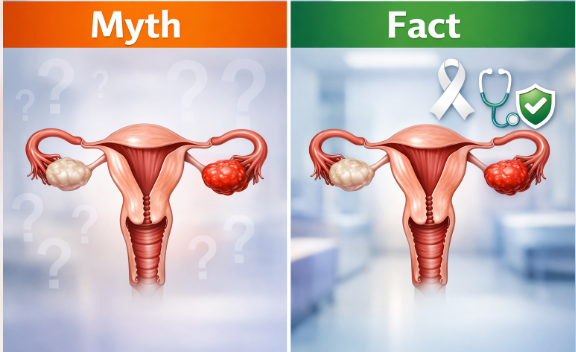
Let’s separate myth from fact and understand ovarian cancer better.
Myth 1: Only Older Women Get Ovarian Cancer
Fact:
While the risk of ovarian cancer increases with age, especially after menopause it can affect women at any age. Younger women are not completely immune. Certain genetic factors, hormonal conditions, and family history can increase the risk even in early adulthood.
Regular gynecological check-ups and paying attention to unusual symptoms are essential regardless of age.
Myth 2: If No One in My Family Had Ovarian Cancer, I’m Safe
Fact:
Family history does increase the risk of ovarian cancer, especially if there are BRCA1 or BRCA2 gene mutations. However, most ovarian cancer cases occur in women without any family history.
This means every woman should be aware of symptoms and risk factors, not just those with a strong family history.
Common Symptoms of Ovarian Cancer
Ovarian cancer is often called a “silent cancer” because its symptoms can be vague and easily ignored. Watch for:
- Persistent bloating
- Pelvic or abdominal pain
- Feeling full quickly while eating
- Frequent urination
- Unexplained weight loss
- Changes in bowel habits
If these symptoms persist for more than two weeks, consult a specialist.
Why Early Detection Matters
Early detection significantly improves survival rates. When diagnosed in the early stages:
- Treatment is more effective
- Surgery can be less extensive
- Recovery is smoother
- Long-term outcomes are better
Delaying medical consultation due to myths can lead to advanced-stage diagnosis.
Treatment Options for Ovarian Cancer
Treatment depends on the stage and type of cancer but often includes:
- Surgery (primary treatment in most cases)
- Chemotherapy
- Targeted therapy
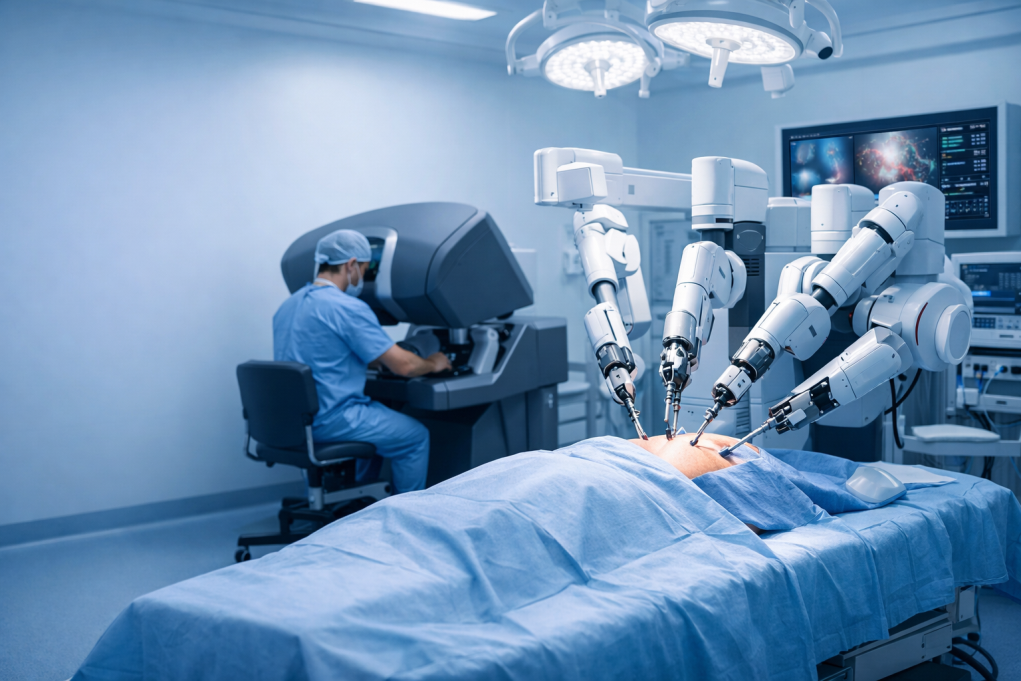
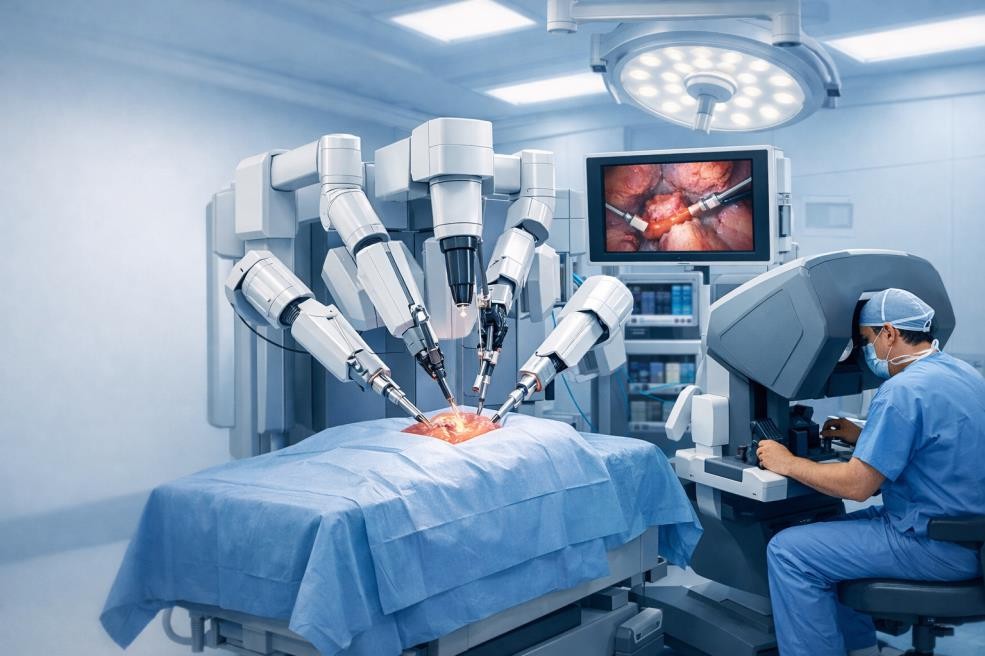
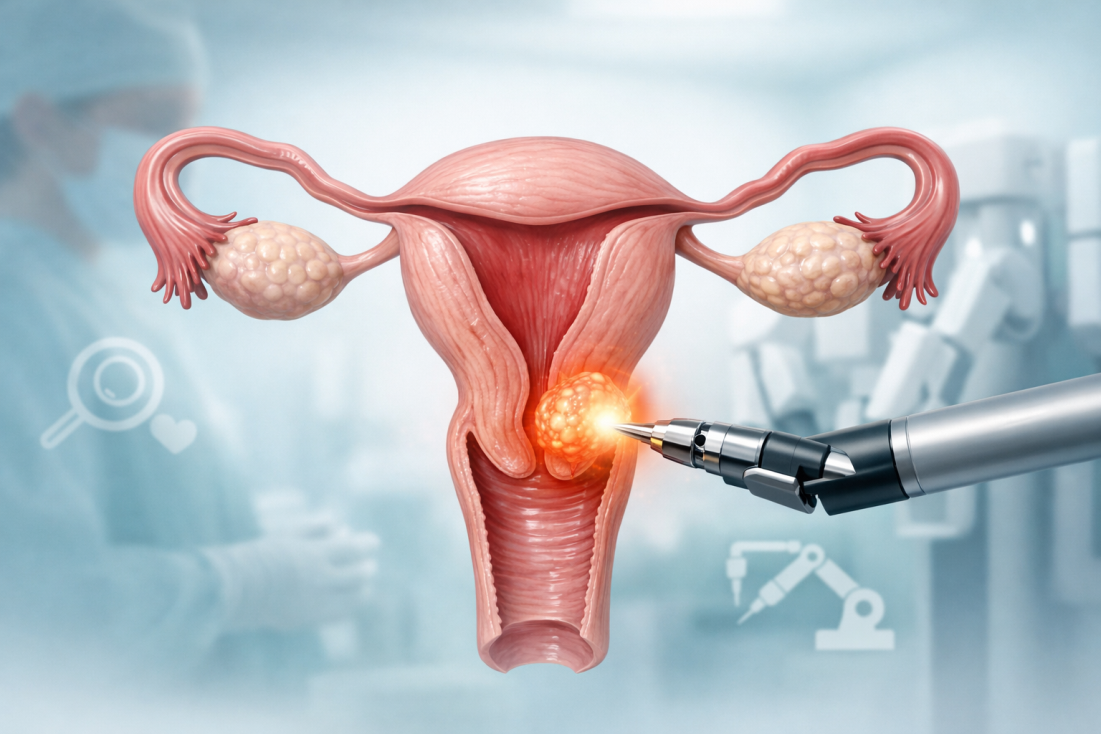
- In selected cases, minimally invasive or robotic-assisted surgery
Modern surgical techniques help remove tumors precisely while reducing complications.
Expert Insight
According to Dr. Harish N L, Consultant Robotic Surgical Oncologist at Continental Hospitals, Nanakramguda, Hyderabad:
Awareness is the first step toward prevention and early treatment. Ovarian cancer does not discriminate by age, and family history alone does not determine risk. Timely consultation can save lives.”
Final Takeaway
Do not rely on myths when it comes to your health. Ovarian cancer can affect women at any age, and early symptoms should never be ignored.
If you experience persistent gynecological symptoms, consult a qualified specialist. Early action leads to better outcomes.
For expert consultation, contact +91 80191 54646
Continental Hospitals, Financial District, Nanakramguda, Hyderabad