
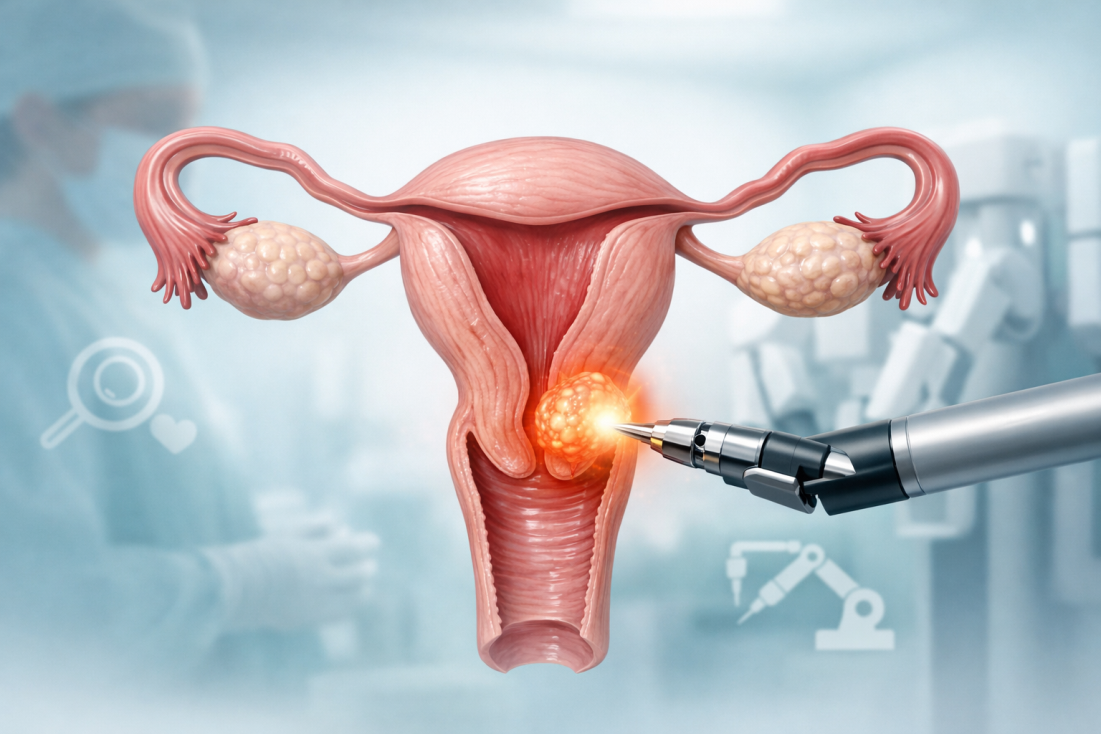
Gynecological cancers affect the female reproductive system and include cancers of the ovary, cervix, uterus, and vulva. These cancers are common yet often misunderstood, leading to delayed diagnosis and treatment. One of the most important pillars in managing gynecological cancers is surgical oncology, which plays a vital role from diagnosis to long-term cure.
Understanding the importance of timely surgical care can help women make informed decisions and improve outcomes.
Understanding Gynecological Cancers
Gynecological cancers develop in the reproductive organs and may present with symptoms such as:
· Abnormal vaginal bleeding
· Pelvic pain or pressure
· Bloating or changes in bowel habits
· Pain during intercourse
· Unusual vaginal discharge
Unfortunately, many women ignore early symptoms or attribute them to routine menstrual or hormonal changes, delaying diagnosis.
Why Surgery Is Crucial in Gynecological Cancer
In many cases, surgery is the primary and most effective treatment for gynecological cancers. Surgical oncology helps in:
· Confirming diagnosis
· Removing the cancer completely
· Assessing cancer spread (staging)
· Reducing tumor burden before additional treatments
Surgery often determines the success of further treatments like chemotherapy or radiation.
Early Detection = Better Outcomes
Early-stage gynecological cancers have significantly higher cure rates. When cancer is detected early:
· Surgery can be less extensive
· Recovery is faster
· Fertility-preserving options may be possible in selected cases
· Survival rates improve substantially
Regular gynecological check-ups and awareness of symptoms are key to early detection.
Minimally Invasive & Robotic Surgery: A New Era
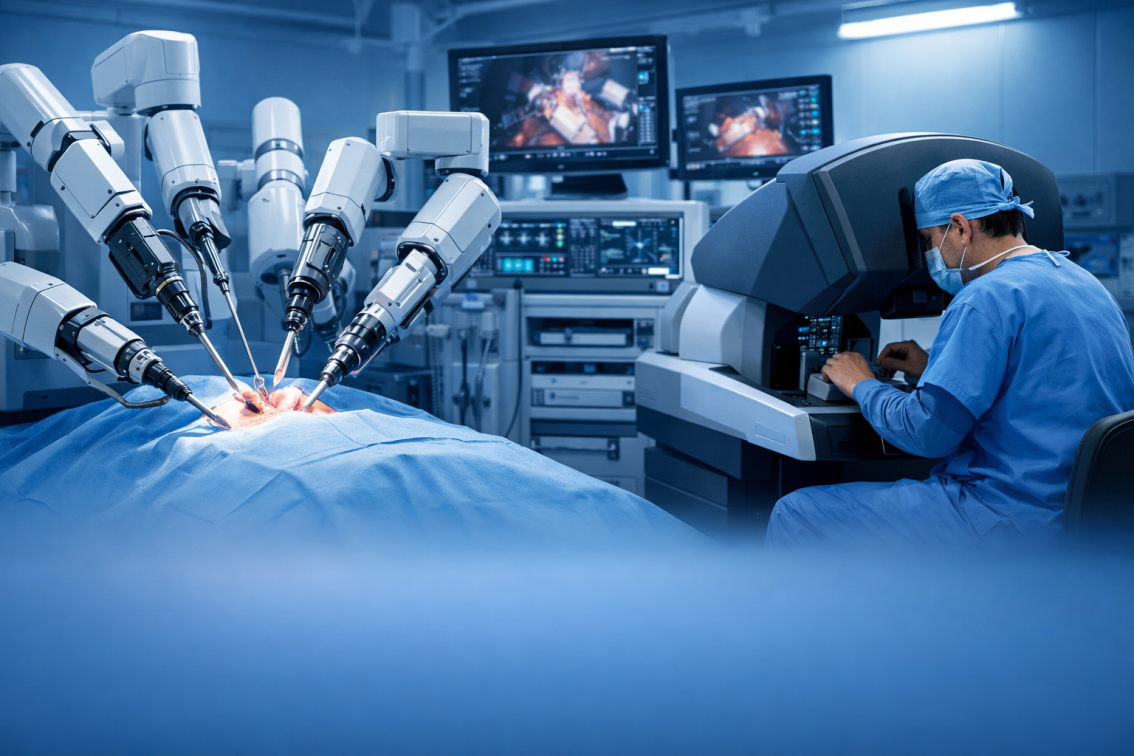
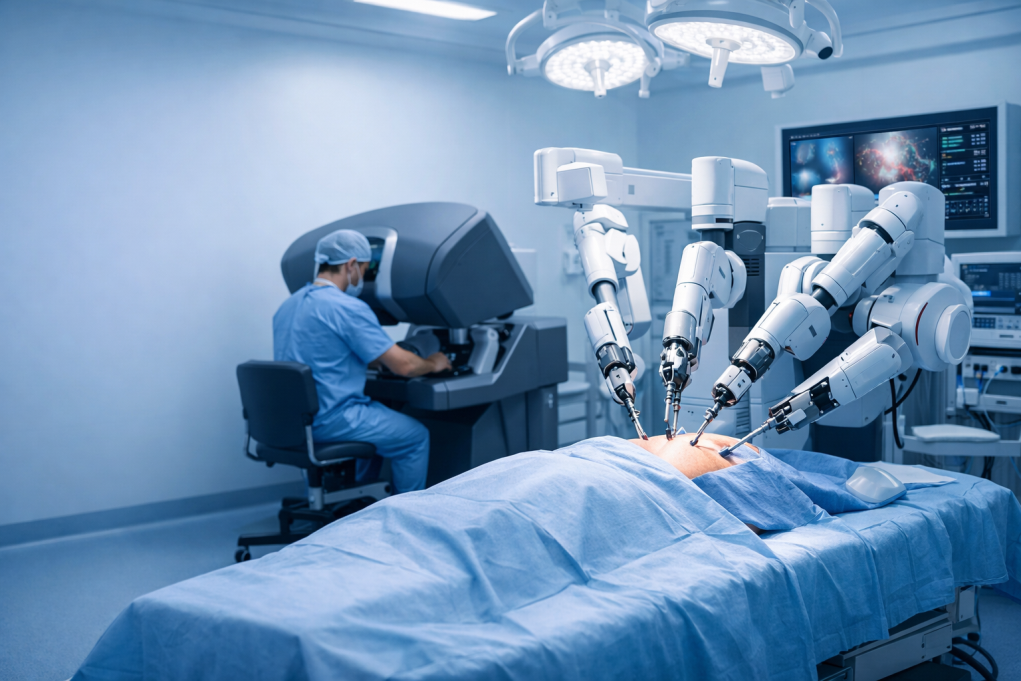
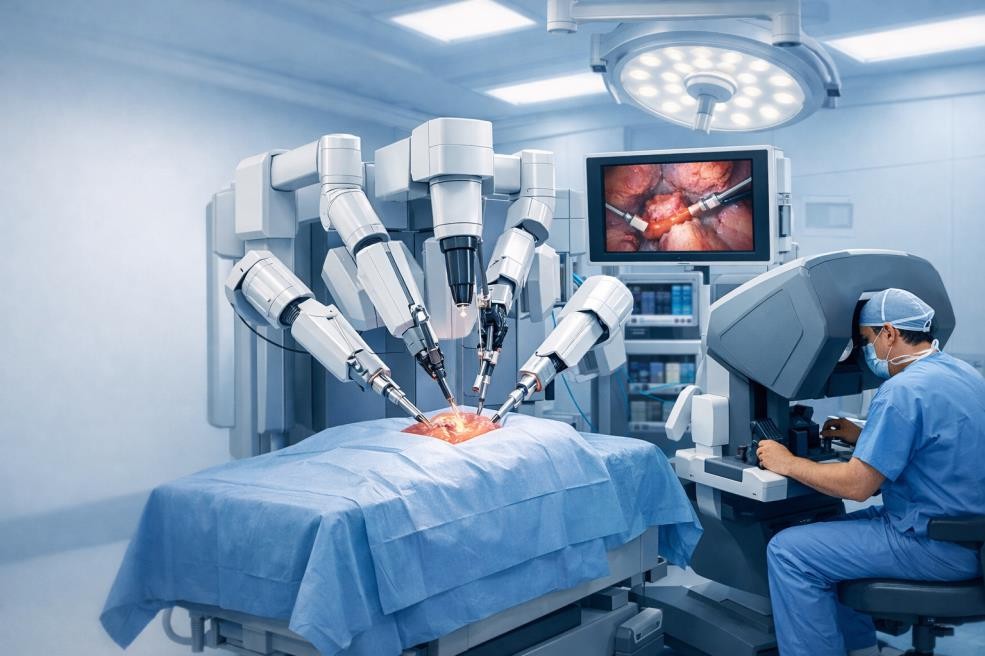
Advances in surgical oncology have transformed cancer care. Today, minimally invasive and robotic-assisted surgeries offer several benefits:
· Smaller incisions
· Less blood loss
· Reduced pain
· Shorter hospital stay
· Faster recovery
· Better precision in complex pelvic surgeries
These techniques are especially beneficial in gynecological cancers where delicate structures and nerves must be preserved.
The Role of a Surgical Oncologist
A surgical oncologist is specially trained to manage cancers surgically with a deep understanding of tumor behavior and cancer spread. Consulting a specialist ensures:
· Accurate staging
· Optimal surgical planning
· Multidisciplinary cancer care
· Personalized treatment strategies
Choosing the right specialist can make a life-saving difference.
Expert Care at Continental Hospitals
Dr. Harish N L, Consultant Robotic Surgical Oncologist at Continental Hospitals, Nanakramguda, Hyderabad, specializes in advanced surgical management of gynecological cancers. With expertise in minimally invasive and robotic techniques, he focuses on achieving the best cancer control while ensuring patient safety and quality of life.
Contact: +91 80191 54646
Location: Continental Hospitals, Financial District, Nanakramguda, Hyderabad, Telangana 500032
Gynecological cancers are treatable, especially when detected early and managed by the right surgical expert. Awareness, timely diagnosis, and modern surgical oncology can save lives.
If you notice persistent gynecological symptoms, do not delay consultation. Early action can change outcomes.