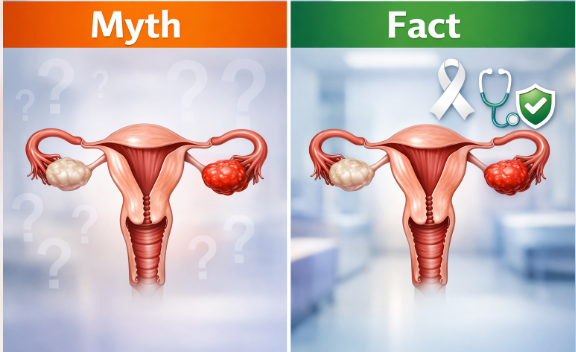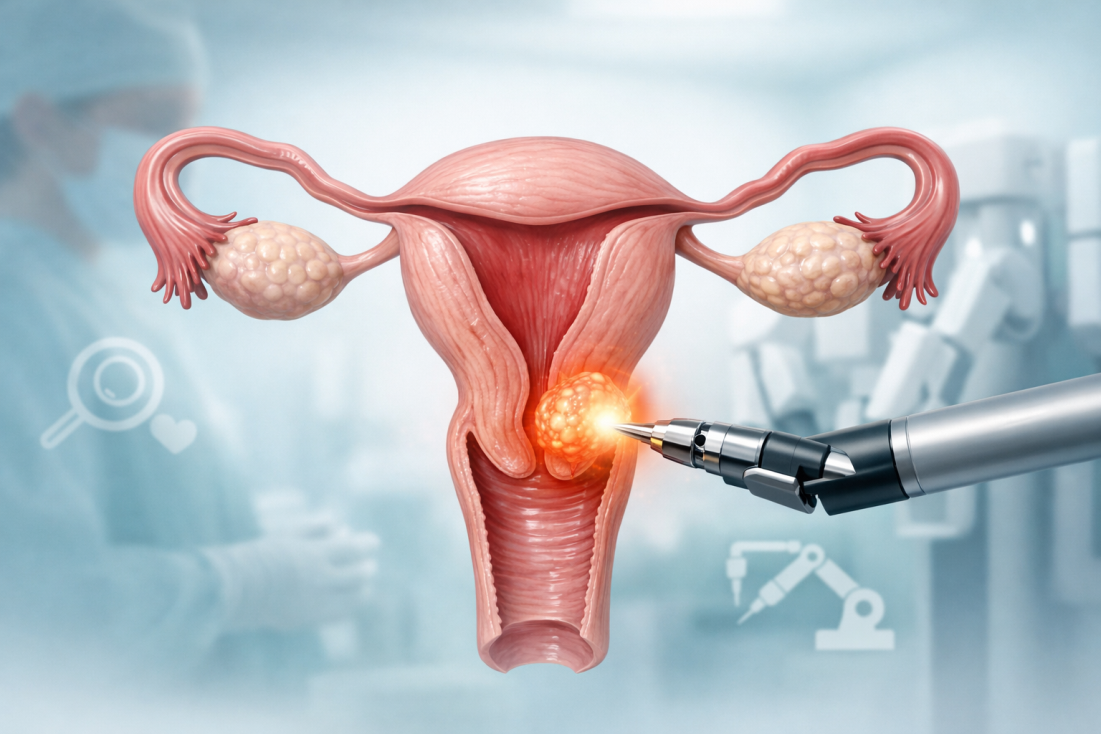

Winter brings cool weather, low temperatures, and seasonal infections, but it also brings several myths about cancer. Many people believe that winter increases cancer risk or worsens cancer symptoms. While weather itself doesn’t cause cancer, certain seasonal changes can influence immunity, lifestyle, and overall health, which may indirectly affect cancer outcomes.
Let’s break down the myths vs facts so patients and families can stay informed and safe.
Myth 1: Winter Causes Cancer
Fact:
Winter does NOT cause cancer.
Cancer develops due to genetic changes, lifestyle factors, infections (like HPV or H. pylori), tobacco, alcohol, obesity, and environmental exposures, not because of cold weather.
However, winter can worsen certain conditions that increase vulnerability among patients who already have cancer.
Myth 2: Body Weakness in Winter Means Cancer Risk is High
Fact:
It’s normal to feel more tired in winter due to:
- Reduced sunlight
- Cold temperatures
- Lower physical activity
- Mild viral infections
Fatigue during winter is not a sign of cancer, but persistent fatigue that lasts for weeks should be checked by a doctor.
Myth 3: Winter Infections Can Turn into Cancer
Fact:
Most winter infections, cold, flu, cough, do not lead to cancer.
However, for cancer patients with low immunity, winter infections can become severe and affect treatment schedules.
This makes prevention important, especially for patients undergoing chemotherapy or radiation.
Myth 4: Cancer Grows Faster in Winter
Fact:
Cancer does not grow faster in any particular season.
Its growth is based on tumor biology—not weather.
What does change in winter is:
- Patient immunity
- Nutrition
- Activity levels
- Exposure to infections
These can impact cancer treatment and recovery, not cancer growth itself.
How Winter Actually Affects Cancer Patients
While winter does not cause cancer, it can influence certain risk factors and health conditions:
1 Reduced Immunity
Cold weather, lack of sunlight, and winter viruses weaken immunity.
For cancer patients, weak immunity can delay treatment or cause complications.
2 Less Physical Activity
Cold temperatures make people stay indoors, leading to weight gain—an important cancer risk factor.
3 Poor Diet Choices
Winter cravings often include fried, sugary, and processed foods, which are linked to inflammation and higher cancer risk.
How to Stay Safe in Winter (For Cancer Patients & Everyone)
To reduce health risks during winter, follow these simple tips:
1. Eat a nutrient-rich diet
Soups, leafy greens, citrus fruits, nuts, seeds, and warm meals help boost immunity.
2. Stay physically active
Indoor walking, yoga, stretching, or light home workouts are helpful.
3. Maintain hygiene
Frequent handwashing prevents infections, crucial during chemotherapy.
4. Get sunlight whenever possible
10–20 minutes daily supports Vitamin D levels and immunity.
5. Keep warm
Avoid exposure to extreme cold that can worsen fatigue or body pain.
6. Stay hydrated
People drink less water in winter, leading to dehydration and weakness.
Winter does not increase cancer risk, but it can challenge the immunity and well-being of cancer patients. Awareness and prevention during the cold season help ensure smoother recovery and treatment continuity.
Winter does not cause cancer, but certain seasonal factors can affect immunity, lifestyle, and overall health, especially in cancer patients. Staying warm, eating well, staying active, and managing infections can help protect your health during the colder months.
Awareness is the first step toward prevention. Stay informed, stay healthy.