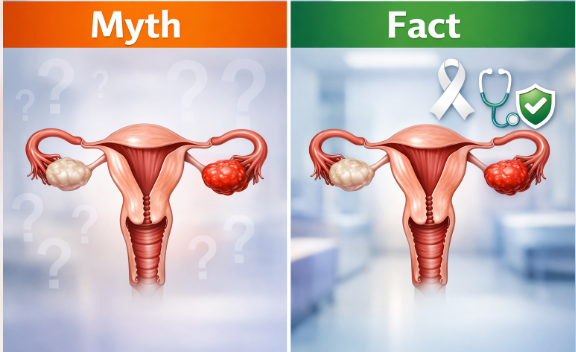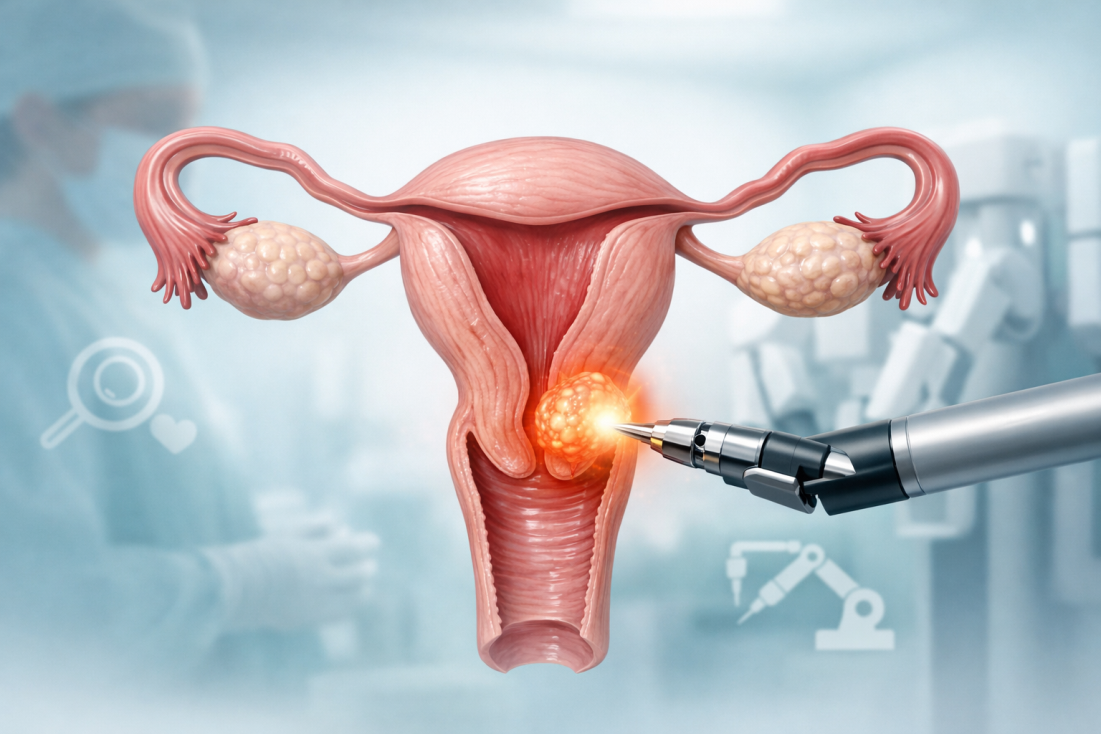

When a doctor recommends a biopsy, many patients immediately feel anxious. There are countless biopsy myths, especially the fear that a biopsy might spread cancer. These misunderstandings often lead to delays in diagnosis, which can affect treatment outcomes.
It’s time to separate facts from myths and understand why biopsy safety is not only proven but also essential in accurate cancer diagnosis.
What Is a Biopsy?
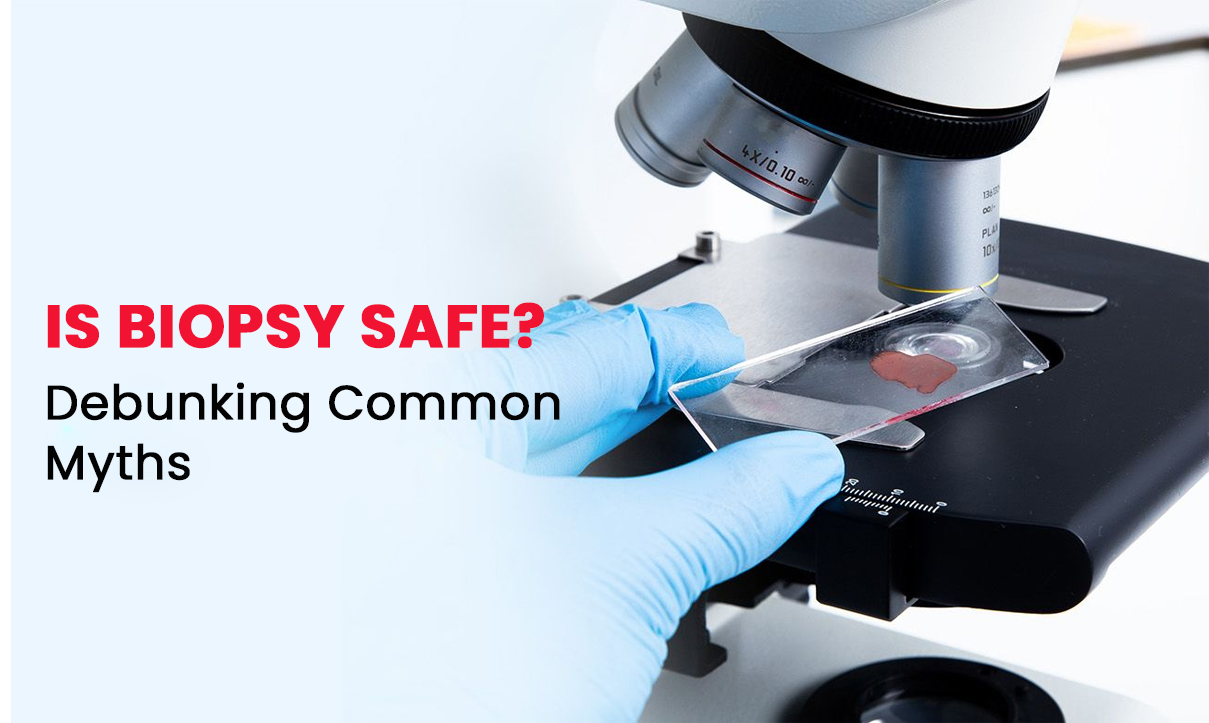
A biopsy is a medical procedure where a small tissue sample is collected from a suspicious area in the body. This sample is examined under a microscope to confirm whether cancer cells are present.
A biopsy remains one of the most reliable cancer detection methods, helping doctors decide the right treatment plan.
Myth 1: Biopsy causes cancer to spread.
Fact:
A biopsy does NOT cause cancer to spread.
This is the most common myth around cancer biopsies. Modern techniques used by trained oncologists ensure that the procedure is safe.
There is no scientific evidence proving that biopsies increase cancer growth or spread, especially for surface lesions. In fact, avoiding a biopsy may delay cancer diagnosis, risking early treatment opportunities.
Myth 2: Biopsies are painful and dangerous.
Fact:
Most biopsies are safe, low-risk, and minimally painful.
Patients are given local anesthesia to reduce discomfort. Complications such as bleeding or infection are rare.
Biopsy remains one of the safest cancer diagnostic procedures worldwide.
Myth 3: Scanning is enough; I don’t need a biopsy.
Fact:
Scans like CT, MRI, or PET can detect abnormalities but cannot confirm cancer.
A biopsy is required to identify the:
- Type of cancer
- Stage
- Aggressiveness
- Best treatment approach
This vital information cannot be obtained through imaging alone.
Myth 4: Touching the tumor makes it grow faster.
Fact:
Touching or sampling a tumor during a biopsy does not cause cancer to grow.
Cancer progression depends on cell behavior, genetics, and biological factors not on the biopsy procedure itself.
Why Biopsy Is Important
A biopsy helps your doctor:
- Confirm if a tumor is cancerous
- Identify the exact type of cancer
- Decide the right treatment (surgery, chemotherapy, radiation, or robotic cancer surgery)
- Detect cancer at an early stage
Without a biopsy, cancer treatment may be delayed or incorrectly planned.
Types of Biopsies
- Needle biopsy
- Core biopsy
- Endoscopic biopsy
- Excisional biopsy
- Incisional biopsy
- Punch biopsy
All biopsy types are performed with strict safety protocols to protect the patient.
A biopsy is not just safe; it is essential for early and accurate cancer diagnosis. Avoiding or delaying a biopsy can impact survival and treatment success.
This expert perspective reinforces the importance of trusting evidence-based cancer care.
Biopsies are safe, essential, and scientifically proven for accurate cancer detection. Don’t let myths stop you from getting the right help. If your doctor recommends a biopsy, remember it is the first step toward clarity, early treatment, and recovery.